Our Methodology for Effective Semantic SEO
Learn more about the principles, process, and frameworks involved in Semantic Core Architecture and how we drive results.

Framework: Step by Step
Each phase of Semantic Core Architecture moves from research and analysis through cluster building and website recommendations, ensuring strategic and actionable outputs.
In-Depth Keyword Discovery
Start with comprehensive keyword research that draws from multiple sources and platforms for accuracy.
Project Goals
Pinpoint topics with growth and ranking potential.
What We Do
Systematically research, validate, and group seed keywords using tools, competitor scans, and trend analysis.
How We Do It
Balance manual curation with technology, leveraging South African trend data and search insights.
Key Tools
SEO research platforms, analytics dashboards, and competitive intelligence suites.
Deliverables
Documented list of opportunities with supporting rationale and intent details.
Intent Segmentation
Organize keywords by primary searcher intent—informational, transactional, or navigational.
Project Goals
Match website pages to real user needs.
What We Do
Review queries for clues and use intent frameworks to map target actions to keywords and content.
How We Do It
Human review combined with AI assistance for accuracy; revisited as search behavior changes.
Key Tools
Intent-mapping templates and analytics tools.
Deliverables
Structured intent matrix linking clusters to content priorities.
Semantic Cluster Building
Group keywords and topics into clusters—formed as content hubs under main site sections or themes.
Project Goals
Create site architecture that supports both users and search engines.
What We Do
Combine similar topics, remove overlap, and align clusters to business goals and user journeys.
How We Do It
Collaboration among research, UX, and content experts; focus on adaptability and scalability.
Key Tools
Cluster visualization platforms, internal mapping spreadsheets.
Deliverables
Cluster map and hierarchy recommendations with content suggestions.
Priority and Action Mapping
Rank clusters and map actions based on potential business impact, seasonality, and effort estimates.
Project Goals
Ensure smart use of resources for ongoing SEO success.
What We Do
Score each cluster, identify quick wins, and recommend a phased roll-out for implementation teams.
How We Do It
Use analytics, opportunity scoring, and stakeholder review.
Key Tools
Action planners, SEO dashboards, and progress trackers.
Deliverables
Roadmap with cluster priorities, timing, and action steps.
Keyword and Intent Framework

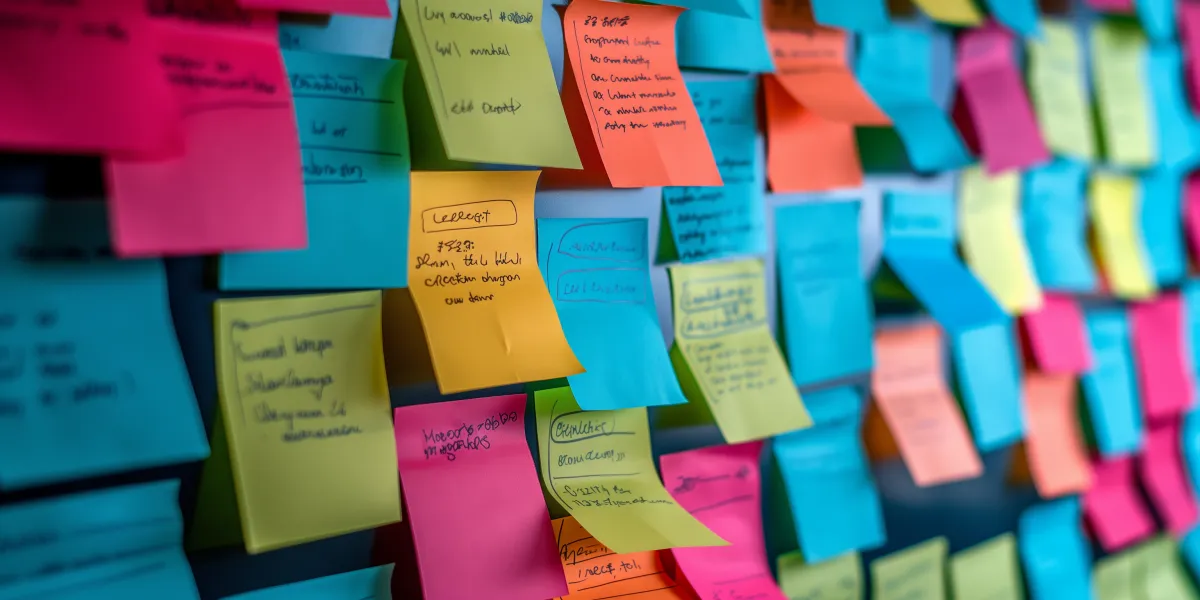
Cluster Building
Typical Project Timeline
Week 1
Kick-off, requirements gathering, and initial research setup to define project scope.
Week 2
Comprehensive keyword discovery and early intent mapping workshops.
Week 3
Building clusters, stakeholder review, and adjustments for project fit.
Week 4
Final cluster recommendations and roadmap delivery to your implementation team.